

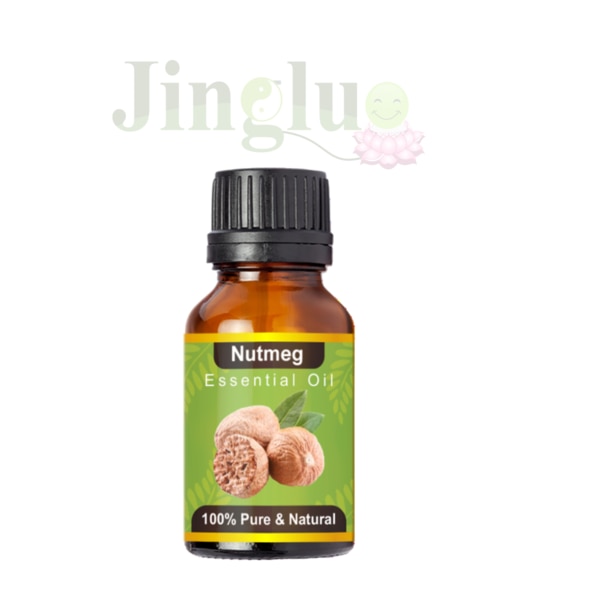
Description
Nutmeg essential oil is derived from the seeds of the Myristica fragrans tree, which produces the familiar nutmeg spice. The oil has a warm, spicy, and slightly sweet aroma, making it a popular ingredient in aromatherapy, massage oils, and skincare. Nutmeg oil is known for its stimulating, soothing, and healing properties, and it has a wide range of benefits for both physical and emotional well-being. Key Properties Analgesic: Nutmeg oil is often used to relieve pain, particularly muscle and joint pain, due to its natural analgesic (pain-relieving) properties. Anti-inflammatory: It helps reduce inflammation, making it useful for treating conditions like arthritis, muscle stiffness, or other inflammatory issues. Antioxidant: Nutmeg oil is rich in antioxidants that help protect the skin and body from oxidative damage and premature aging. Digestive Aid: Nutmeg oil is known to support digestive health by promoting healthy digestion and alleviating issues like bloating, indigestion, and nausea. Stimulating and Energizing: Nutmeg oil has a warming, stimulating effect that can boost circulation and improve energy levels, helping to combat fatigue and sluggishness. Common Uses For Pain Relief: Nutmeg oil is commonly used to relieve muscle aches, joint pain, and stiffness. It can be applied topically (when diluted with a carrier oil) to areas of discomfort for its warming and soothing effect. It is particularly helpful for conditions like arthritis or fibromyalgia, reducing inflammation and easing pain. For Digestive Health: Nutmeg oil helps promote healthy digestion by alleviating nausea, gas, bloating, and indigestion. It can be added to a carrier oil and massaged onto the abdomen in a clockwise motion to relieve stomach discomfort. For Mental Clarity and Focus: Nutmeg oil can help improve mental clarity, reduce brain fog, and enhance concentration. It can be used to boost focus and motivation when feeling tired or overwhelmed. Diffuse nutmeg oil or inhale it directly for its stimulating effects on the mind. For Respiratory Health: Nutmeg oil can help clear nasal congestion, ease coughing, and reduce symptoms of respiratory infections like bronchitis or asthma. Use it in a steam inhalation or diffuser to promote easier breathing and relieve sinus pressure. For Skin Care: Nutmeg oil’s antioxidant and anti-inflammatory properties make it helpful for treating acne, blemishes, and skin irritation. It can be used to rejuvenate the skin, reduce the appearance of scars, and balance oily skin. For Emotional Wellness: Nutmeg oil has a grounding, calming effect on the mind and body. It helps relieve stress, anxiety, and nervous tension. It can promote relaxation and help uplift the mood, making it useful for people feeling overwhelmed or fatigued. How to Use Topical Application: Always dilute nutmeg essential oil with a carrier oil (e.g., coconut oil, jojoba oil, or almond oil) before applying it to the skin. It can be massaged into sore muscles, joints, or the abdomen for digestive support. Aromatic Use: Add a few drops to a diffuser or inhale directly to promote mental clarity, reduce stress, and support respiratory health. Massage: Combine with a carrier oil and use for a warming massage, especially on sore or inflamed muscles. Digestive Support: Massage diluted nutmeg oil onto the abdomen to relieve bloating, gas, or indigestion. Skin Care: Add a drop or two to a moisturizer or face serum for its skin-brightening and anti-inflammatory effects. Precautions Dilution: Nutmeg oil should always be diluted with a carrier oil before applying to the skin, as it can cause irritation if used undiluted. Pregnancy and Medical Conditions: Nutmeg oil is generally safe when used in moderation, but it is best to consult with a healthcare provider if pregnant, breastfeeding, or if you have any underlying medical conditions (especially those related to the liver or hormonal balance). Avoid Eye Contact: Avoid applying nutmeg oil near the eyes and mucous membranes to prevent irritation. Not for Children: Nutmeg essential oil should not be used in children under 2 years of age without the guidance of a healthcare provider, as it may cause adverse reactions.
Keywords
other Products
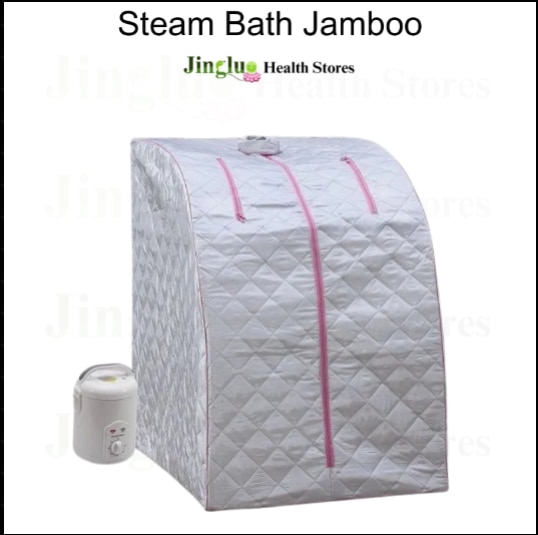 Jingluo A bamboo steam bath is a type of steam bath that incorporates bamboo elements, either in the design of the ste
Steam Bath Bamboo
INR 7500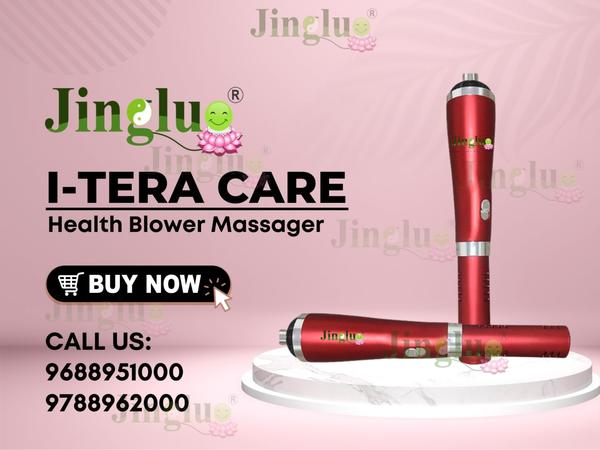 Jingluo An I Thara acupuncture machine likely refers to a specialized device used for therapeutic purposes, combining
Machine (I Thara)
INR 3600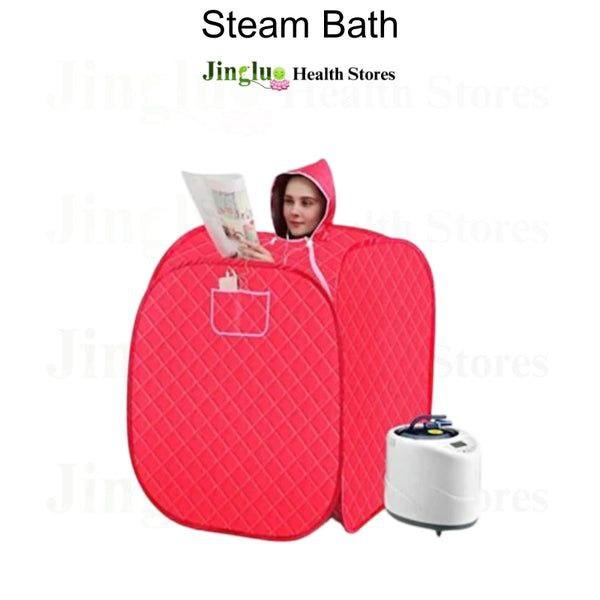 Jingluo A steam bath is a therapeutic and relaxing wellness treatment that involves sitting in a room filled with stea
Steam Bath
INR 5400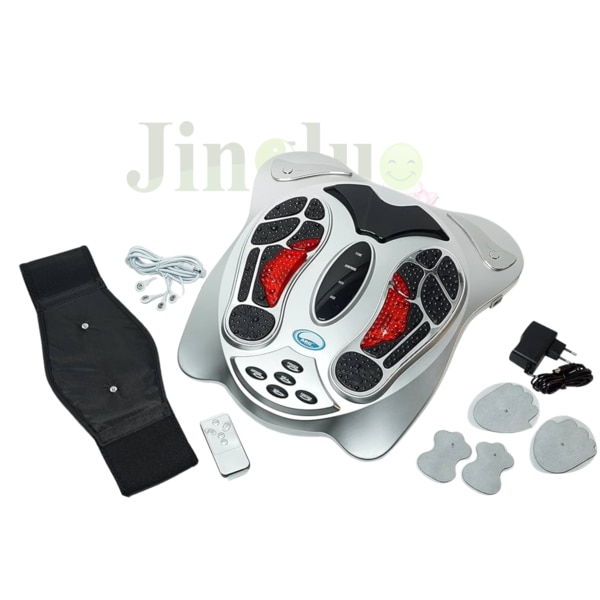 Jingluo Machine health protection refers to strategies and practices implemented to ensure the longevity, reliability,
Machine Health Protecti...
INR 5400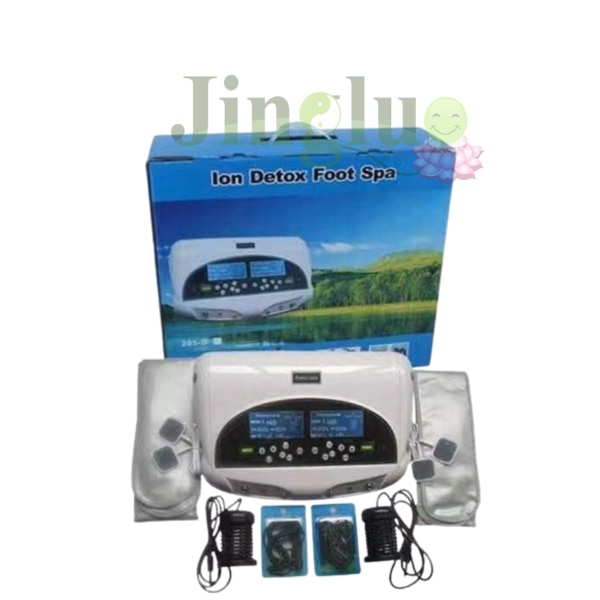 Jngluo Machine detox refers to a systematic process of cleaning, optimizing, and maintaining a machine or system to e
Machine Detox
INR 8900